
Cowboy Cruiser: a beautiful bike with a subscription-shaped shadow
19.3 kg, a carbon belt, a 360Wh battery and an app you cannot ride without. The Cruiser is the most seductive commuter here and the one we are most careful recommending.
The verdict
Buy it for the Dutch riding position, the silence and the belt drive. Understand before you do that the bike is a connected device first and a bicycle second.
Visit CowboyThe riding position is the product
Cowboy's earlier bikes put you in a slightly aggressive, slightly urgent posture. The Cruiser does not. Swept bars, an upright back, a saddle you sit on rather than perch over. It is a Dutch riding position on a Belgian tech company's frame, and it completely changes what the bike is for.
Riding it, you slow down. Not because it is slow — 45 Nm and 19.3 kg is plenty brisk — but because the geometry stops encouraging you to hurry. Over four weeks our average speed on the same commute dropped by about 2 km/h compared with the Aventon, and the ride was more pleasant.
Belt drive and what it removes
A carbon belt does not stretch, does not need oil, does not mark your trousers and does not rust in a wet winter. Over a month we did precisely nothing to the drivetrain. On a chain-driven commuter over the same period we would have cleaned and lubed twice.
The trade-off is a single gear ratio. On anything steeper than about 10% you are relying entirely on the motor, and at 45 Nm the motor starts working hard. On a flat or gently rolling city this is invisible. In a hilly one it is a real limitation.
The range
Cowboy quotes 40–90 km, a spread wide enough to be honest about assist levels. At the highest setting with a 78 kg rider our loop gave 44 km. In the lowest setting on a flat route we saw 79 km, which is within Cowboy's stated range and more than most people need in a week.
The battery is removable and weighs 2.4 kg, so charging at a desk or in a flat without a bike store is genuinely practical. A full charge takes 3.5 hours.
The app dependency, said plainly
The Cruiser is a connected bike. Unlocking, assist settings, firmware, theft tracking and diagnostics run through Cowboy's app. When it works — which it did, continuously, for us — it is seamless. The question is what happens if the company changes its service, changes its pricing, or stops existing.
We are not predicting any of that. We are saying that a bicycle which depends on a specific company's servers is a different kind of purchase from one that does not, and that is a factor a €2,990 decision should include. Read Cowboy's own terms on connectivity and any optional service plan before you buy; that part is between you and them.
AdaptivePower, and why it feels different
Cowboy's assist system reads your cadence and torque and adjusts continuously rather than stepping between fixed levels. There are no assist modes to choose. You pedal, and the bike works out how much help you need.
For a rider who wants to think about the bike as little as possible, this is excellent. There is nothing to configure and nothing to forget. For a rider who wants control — who wants to save battery deliberately on a flat section to have it on a hill later — it is frustrating, because the decision is not yours to make.
We ended up liking it. On a commute with unpredictable stops, having the bike handle assist meant we stopped managing it and simply rode. But it is genuinely a philosophy rather than a feature, and if you enjoy the Ride Tune sliders on an Aventon you will dislike this.
Four weeks of ordinary use
One puncture, repaired in the usual way. Nothing else. No drivetrain maintenance at all, which is the belt doing its job, and no adjustments to anything. The bike lived outdoors under a cover for the whole month and the finish was unmarked at the end of it.
Cowboy pushed one firmware update during the test. It installed over Bluetooth in about six minutes while the bike sat in a hallway, and the release notes described improvements to the theft-detection sensitivity. That is the upside of a connected bike, stated fairly.
Everything else
Hydraulic brakes stopped it in 4.0 m dry from 25 km/h, 4.8 m wet, with no fade
Integrated lights run from the main battery and are bright enough for unlit paths
Wireless phone charging in the bar mount works and is a nicer idea than it sounds
Nothing rattled, creaked or loosened over four weeks including two weeks of rain
Verdict
7.8. If you ride in a flat city, keep your phone charged and want the most pleasant, lowest-maintenance commuter on this list, the Cruiser is a genuinely lovely object. If you want a bike that will still work exactly the same way in 2036 regardless of who owns Cowboy, buy the Trek.
What works
- 19.3 kg with the battery — light for a fully equipped city e-bike
- Carbon belt drive: no oil, no chain stretch, no trouser clips, essentially no maintenance
- AdaptivePower delivers assist smoothly enough that the motor is hard to notice
- Removable 360Wh battery you can charge at a desk, which solves a real flat-dweller problem
What does not
- 44 km measured at high assist — the second-shortest range of the bikes here
- Core functions run through the phone app, and there is no meaningful offline fallback
- €2,990 for 250 W and 45 Nm is a lot of money for the specification
- Service is Cowboy's own network, which is thin outside a handful of European cities
On paper
| Motor | Rear hub, 250 W |
|---|---|
| Torque | 45 Nm |
| Battery | 360 Wh removable (2.4 kg) |
| Claimed range | 40–90 km |
| Measured range | 44 km (high assist) |
| Weight | 19.3 kg (42.55 lb) |
| Charge time | 3.5 h |
How the score is built
In the metal
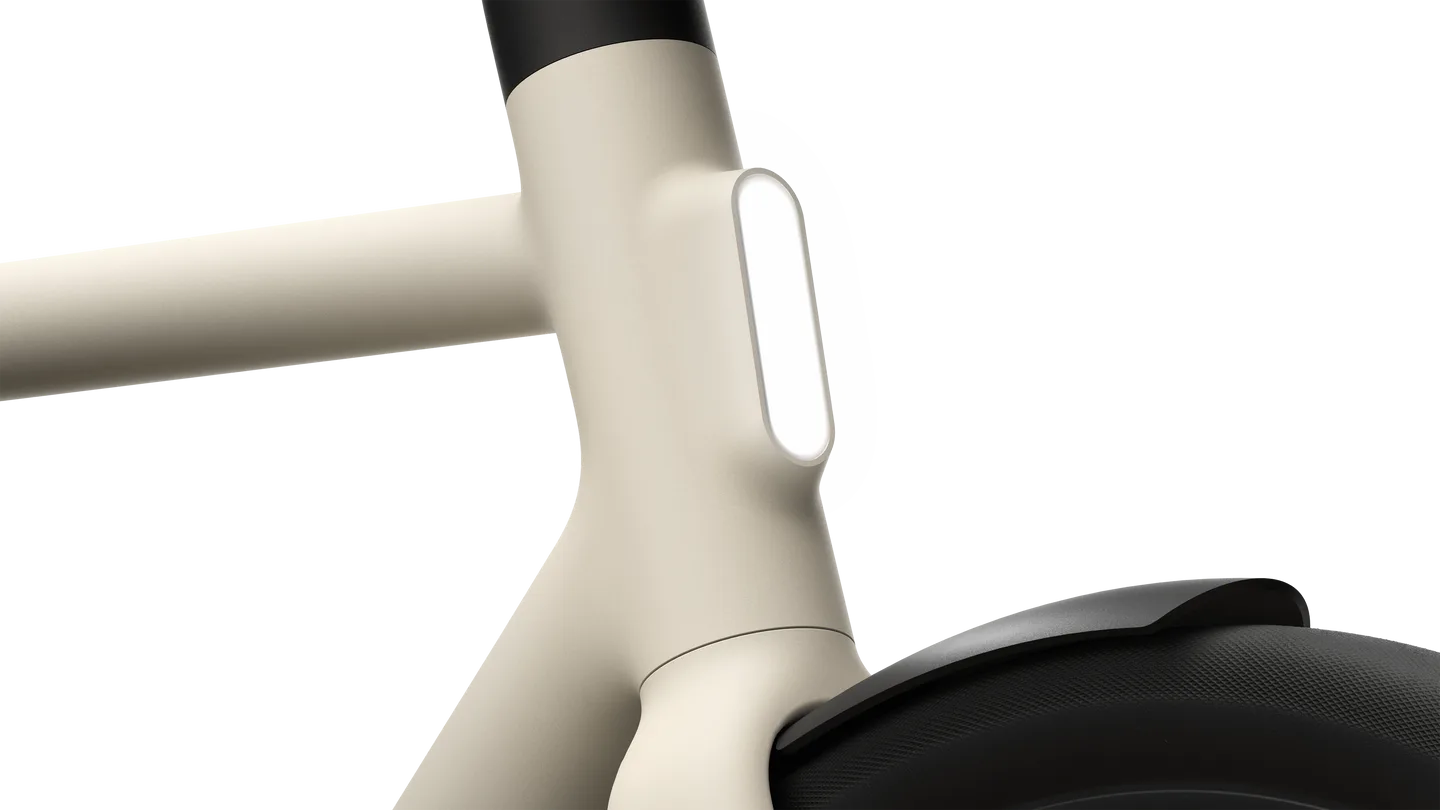
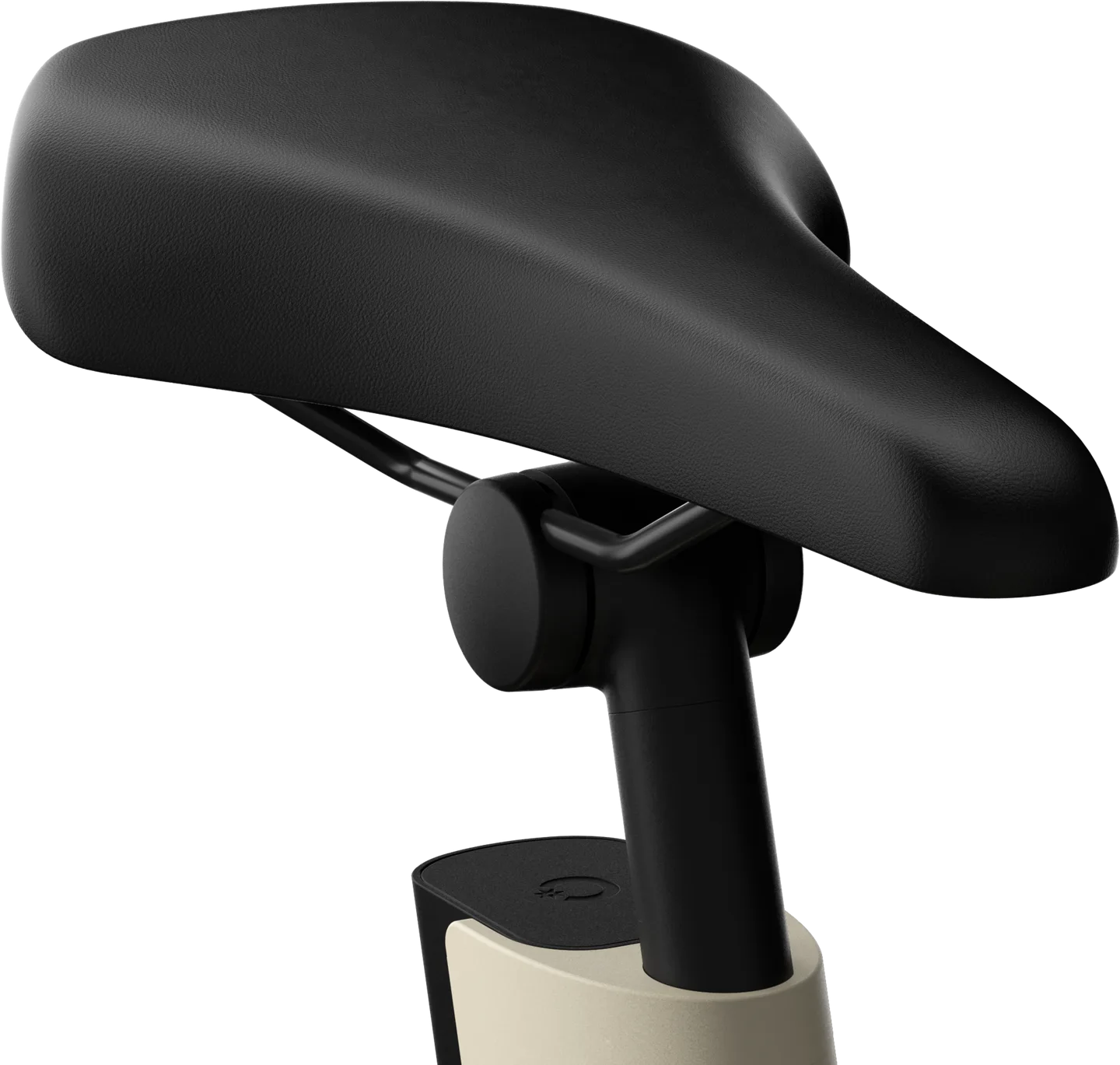
Where the numbers came from
- Manufacturer specification: Cowboy
- Range, braking and charge figures measured by the Duskmile test protocol.
Keep reading
More from Commuter E-Bikes
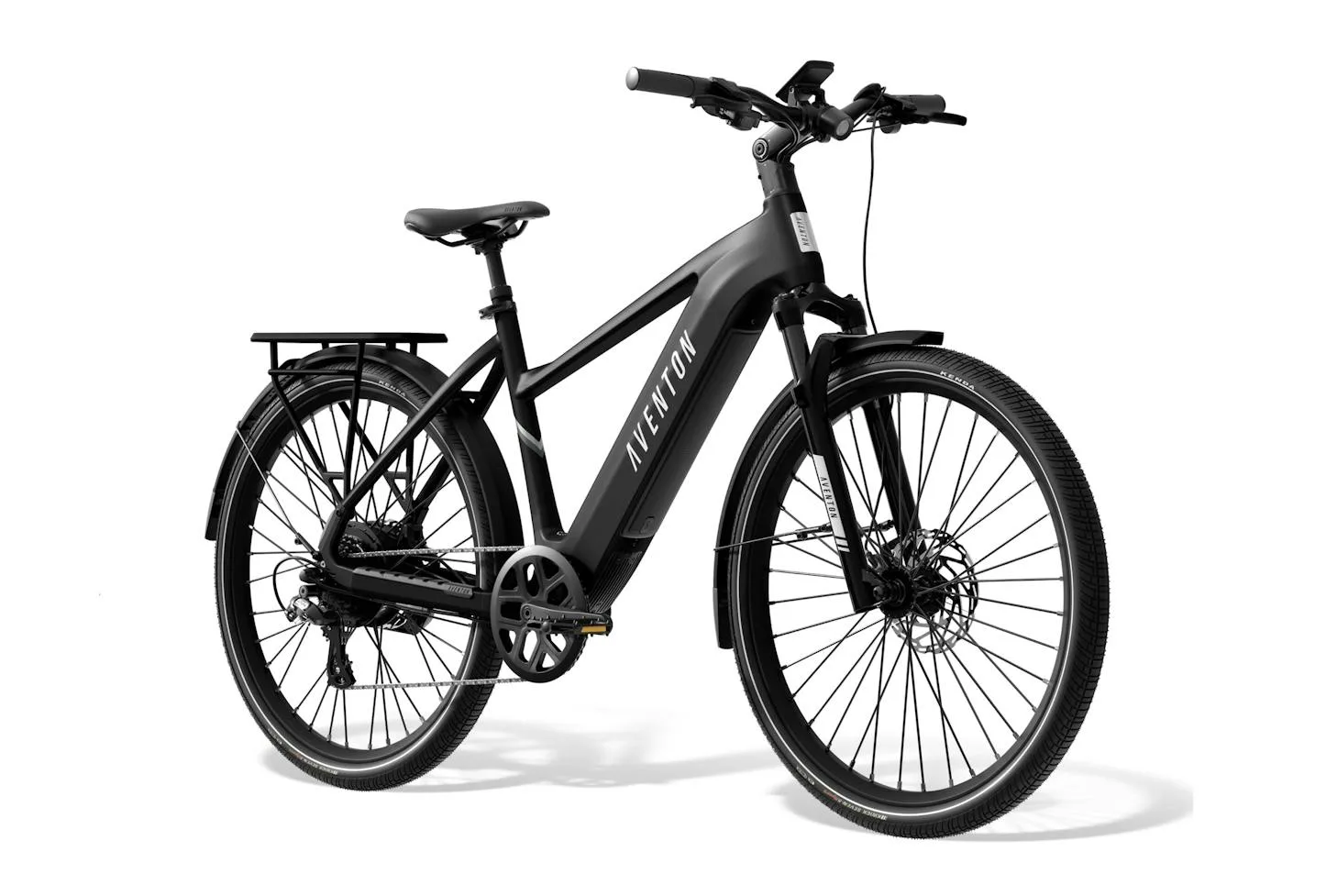 9.0
Aventon Level 3 review: the $1,899 bike that makes the $4,000 ones nervous
733Wh of LG cells, a proper internal torque sensor and GPS tracking built in. We measured 88 km. This is the best value in commuter e-bikes right now and it is not close.
- From$1,899
- Battery36 V 20 Ah, 733 Wh (LG 21700)
- Measured range88 km (high assist)
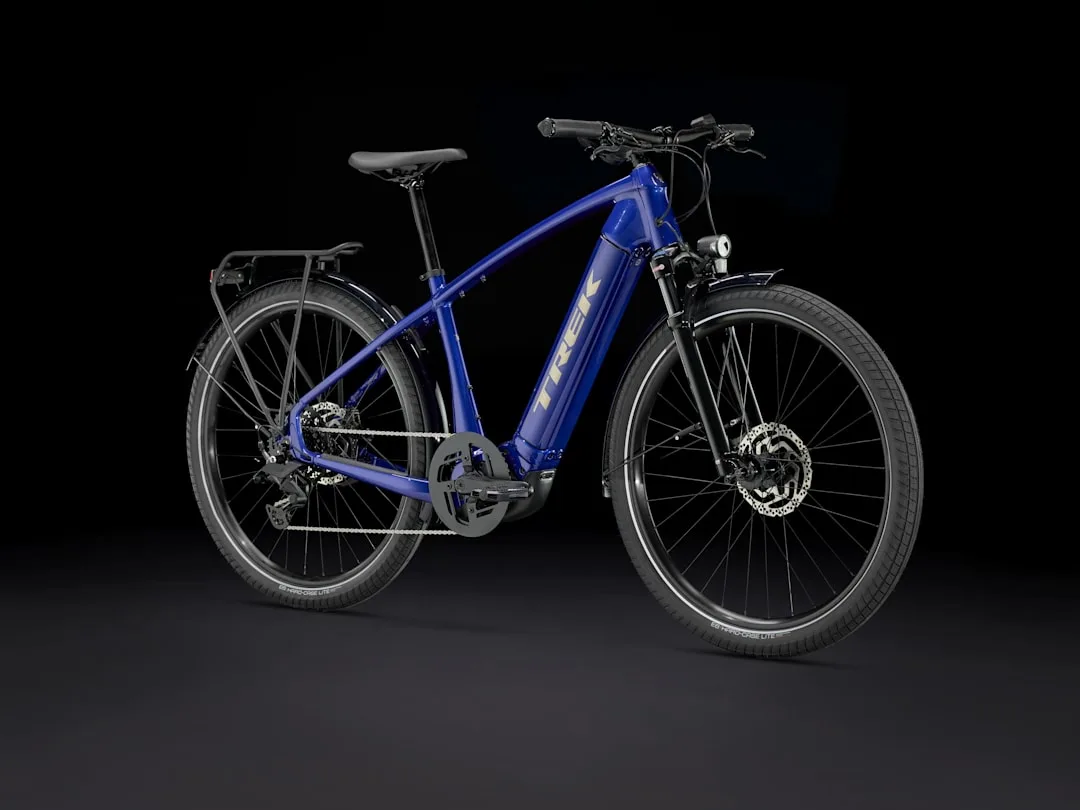 8.8
Trek Allant+ 7S Gen 2 review: buy the Bosch, get the dealer
75 Nm of Bosch Performance Line CX, a 500Wh Powertube and a bike shop within driving distance of almost everyone. The Allant+ 7S is the boring correct answer.
- From$3,849
- MotorBosch Performance Line CX, 250 W
- Torque75 Nm
 8.6
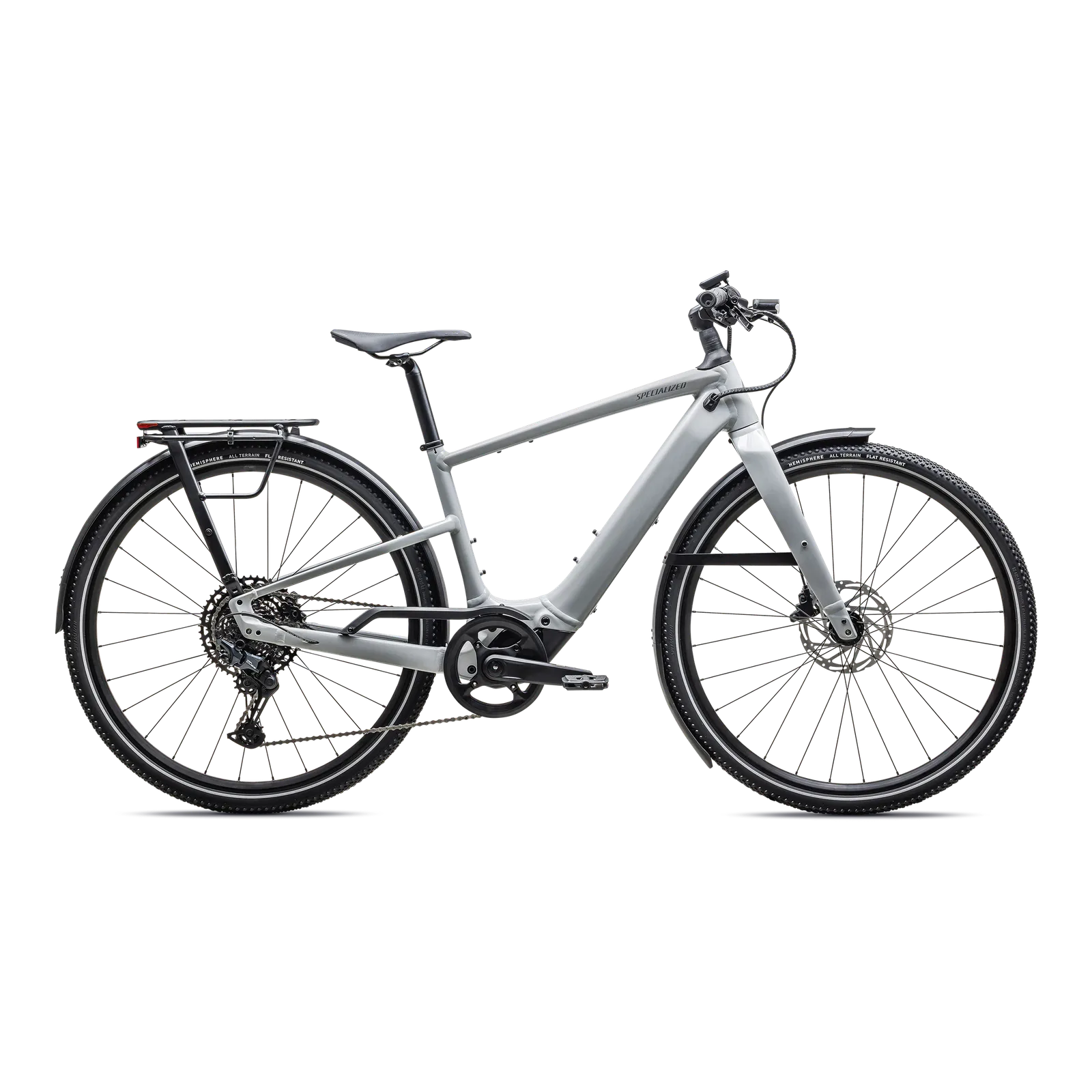
Specialized Turbo Vado SL 2 5.0 EQ: the e-bike that rides like a bike
A 320Wh battery and a 240W motor sound like the wrong numbers until you ride it. Then $5,100 becomes the only thing left to argue about.
- From$5,099.99
- MotorSpecialized SL 1.1, 240 W peak
- Torque35 Nm