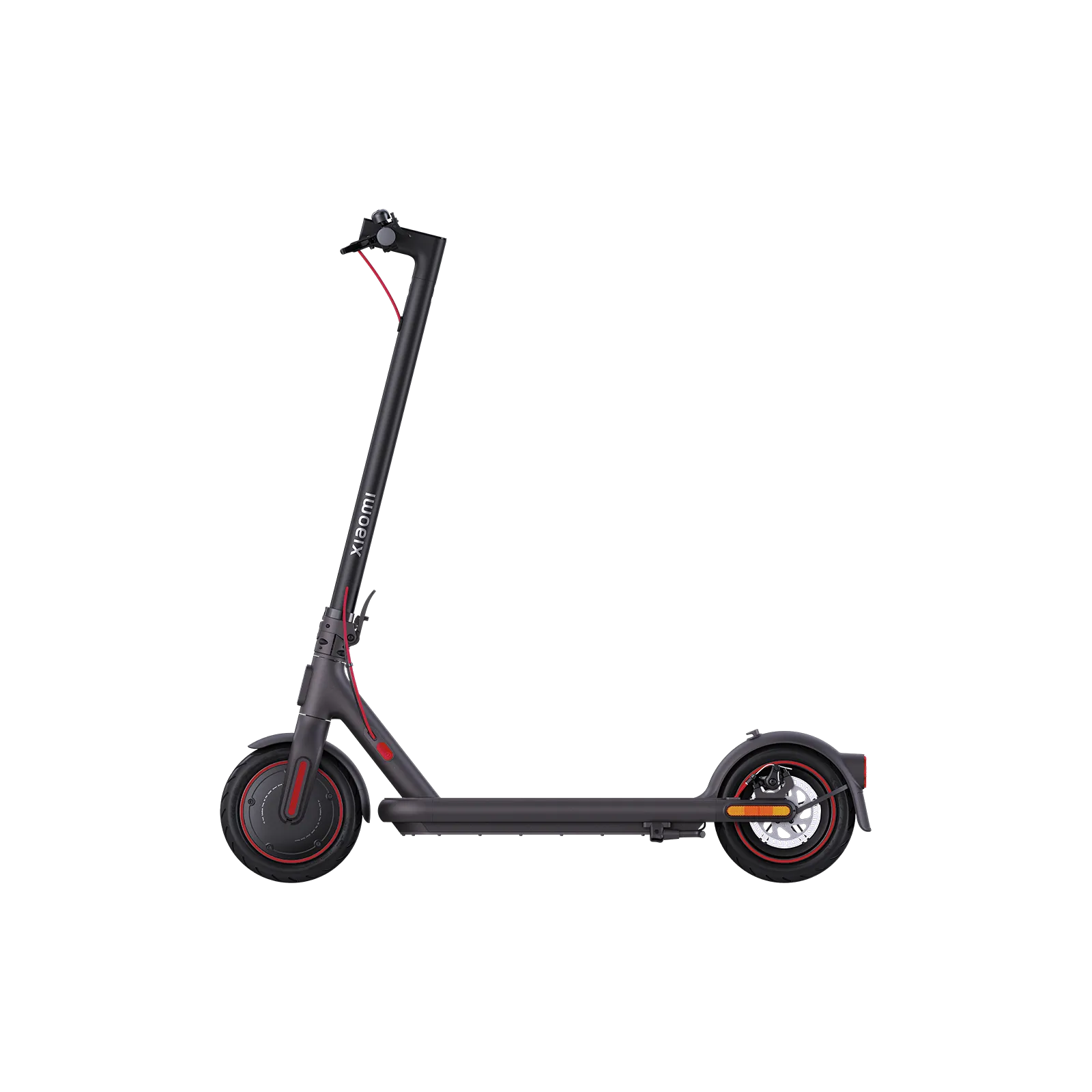
Xiaomi Electric Scooter 4 Pro: the default choice, and why that is a problem
17 kg, 446Wh, self-sealing tyres and about €799. The 4 Pro is the scooter most people buy without researching, and it is genuinely fine. Fine is the whole review.
The verdict
The safest uninformed purchase in this category. Spend an hour researching and you will find something better for the same money.
Visit XiaomiMore people ride this scooter than any other in this index, mostly because it is the one in the shop. So the useful thing a review can do is not tell you whether it is good — it is fine — but tell you what you are giving up by not looking further.
What Xiaomi got right
Seventeen kilograms is the number to hold onto. A 446Wh battery inside a 17 kg scooter is an excellent packaging result, and it is why the 4 Pro is the one people actually carry up stairs rather than abandoning in a hallway.
The DuraGel tubeless tyres with self-sealing gel are the other genuinely good decision. Punctures are the main reason budget scooters end up in cupboards, and over four weeks including a fortnight on glass-strewn cycle lanes we had none.
KERS — Xiaomi's energy recovery on braking and coasting — is real. On a hilly section of our loop it recovered enough to be visible on the gauge, and it reduces wear on a brake setup that needs all the help it can get.
What we measured
37 km on the standard loop, top mode, 78 kg rider, against a 55 km claim
4.6 m dry braking from 25 km/h, 6.0 m wet — the worst wet figure of any scooter here
Charge time from flat: just over eight hours on the supplied charger
On our 14% ramp the scooter dropped to 12 km/h with a 78 kg rider
The braking problem
There is one mechanical brake, at the rear, supported by an electronic anti-lock system on the front wheel. Every other scooter in this index has mechanical braking at both ends. Six metres to stop in the wet from 25 km/h is a long way — about 30% further than the NIU KQi 300X.
In practice this means riding with more space, which is good discipline anyway. It also means this is not the scooter to buy if your commute is fast, downhill or wet.
The charging problem is the real limitation
Eight to nine hours is the specification that shapes how you can actually use this scooter. It means one charge overnight and that is your day. If you ride 12 km to work, then want to ride somewhere in the evening, you are doing arithmetic on a battery gauge instead of leaving the house.
The battery is also not removable, which compounds it. You charge the scooter where the scooter is. For anyone who lives above the ground floor without a lift, or whose building has a bike store with no power, this single design decision is the one most likely to end the relationship.
The TurboAnt V8, at similar money, splits its capacity across two removable packs that each charge in four hours. It is a less refined scooter in almost every other respect and it solves the problem that actually stops people riding.
The app
Xiaomi Home handles activation, firmware, cruise control and the speed cap. Activation is mandatory before the first ride, which is worth knowing if you are buying a gift or a second-hand unit — an unactivated scooter bound to somebody else's account is a support ticket, not a ride.
Beyond that, the app is thin compared with Segway's or NIU's. There are no acceleration curves, no brake curves and no per-mode configuration. It is an on-off switch with a firmware updater attached.
What you could buy instead
At around the same money, the TurboAnt V8 gives you two removable 7.5 Ah batteries and rear suspension. For a few hundred more, the NIU KQi 300X gives you a 608Wh pack, hydraulic front suspension, two disc brakes and 51 km of measured range — 14 km further than this.
The Xiaomi's counter-argument is availability. Parts, tyres, brake pads, replacement decks and chargers for this platform are stocked everywhere, by everyone, at low prices. If you value being able to fix it in your town rather than wait for a shipment, that is worth something real.
Verdict
7.6 is a fair score for a scooter that does nothing badly except stop. Buy it if you want the safe, ubiquitous, easily-serviced option and your commute is short and flat. Look at the NIU if you want the same money to buy more scooter.
What works
- 17 kg with a 446Wh pack — the best weight-to-battery ratio under €900
- DuraGel self-sealing tubeless tyres remove the most common commuting failure
- KERS energy recovery on braking and coasting, and it measurably helps
- Spare parts and third-party accessories are available everywhere, which no boutique brand can match
What does not
- 8–9 hours to charge. On a two-trip day you will run out
- Rear-only disc with E-ABS — the weakest braking of anything in this index
- 120 kg load limit, and performance falls off noticeably above about 95 kg
- No suspension at all, and the deck transmits everything
On paper
| Motor | 350 W rated, 700 W peak |
|---|---|
| Battery | 12,400 mAh / 446 Wh |
| Claimed range | 55 km |
| Measured range | 37 km |
| Weight | 17 kg (37.5 lb) |
| Max load | 120 kg |
| Charge time | 8–9 h |
| Water resistance | IPX4 |
How the score is built
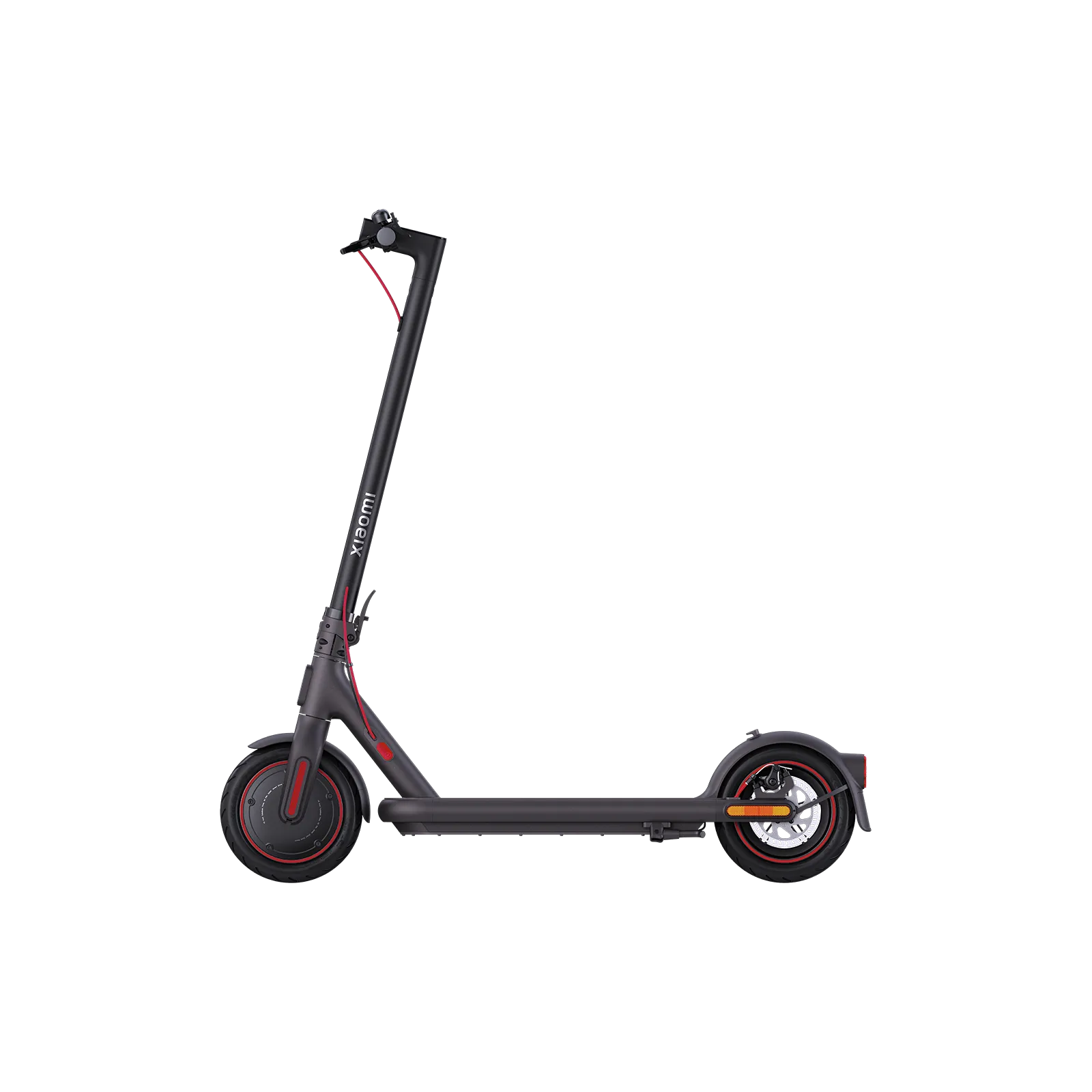
In the metal
Where the numbers came from
- Manufacturer specification: Xiaomi Global
- Range, braking and charge figures measured by the Duskmile test protocol.
Keep reading
More from Budget Picks
 8.3
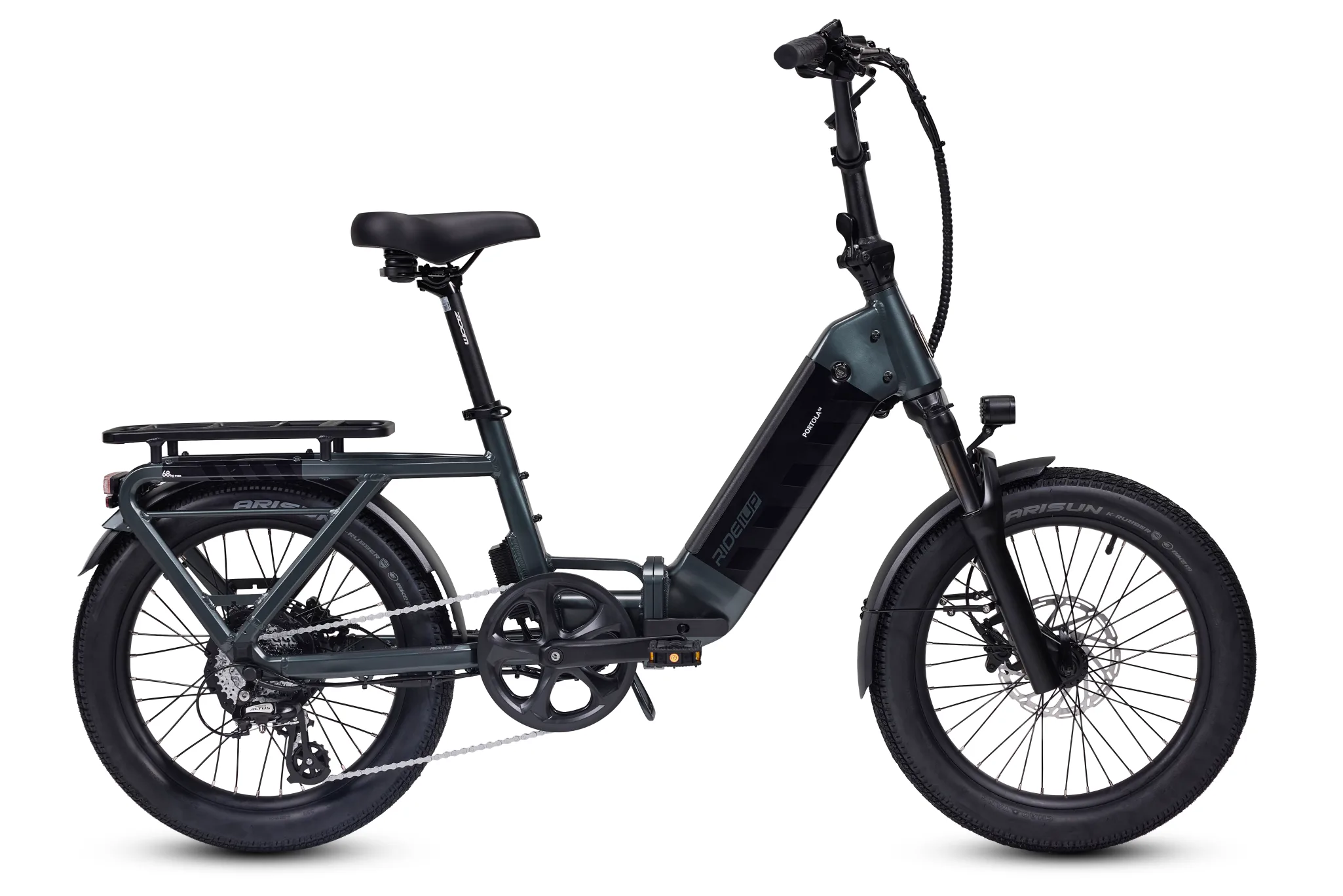
Ride1Up Portola 02: 90 Nm and a dual sensor for $995
A 750 W AKM motor, switchable torque and cadence sensing, hydraulic brakes and a 150 lb rear rack. The Portola 02 is the Lectric XP 4's only real rival, and it wins on torque.
- From$995
- Motor750 W AKM hub, 90 Nm
- Battery10 Ah (or 15 Ah upgrade)
 7.9
TurboAnt V8 review: two batteries is a better idea than one big one
Dual removable 7.5 Ah packs, rear suspension and 9.3-inch tubes for $799. The V8 solves the charging problem that ruins most budget scooters.
- From$799
- Motor450 W brushless
- Batteries2 × 7.5 Ah, removable